How long does a bamboo toothbrush last?
About three months — the same as any toothbrush, because bristle wear is what retires a brush and the dental three-month guidance doesn’t care what the handle is made of. The bamboo-specific part of the answer is about the handle: dried properly between uses it will outlast its bristles with ease; stored standing in a wet cup, mould can end it early.
Written by Reuben S., who runs BARE and packs every order. Published 15 August 2026
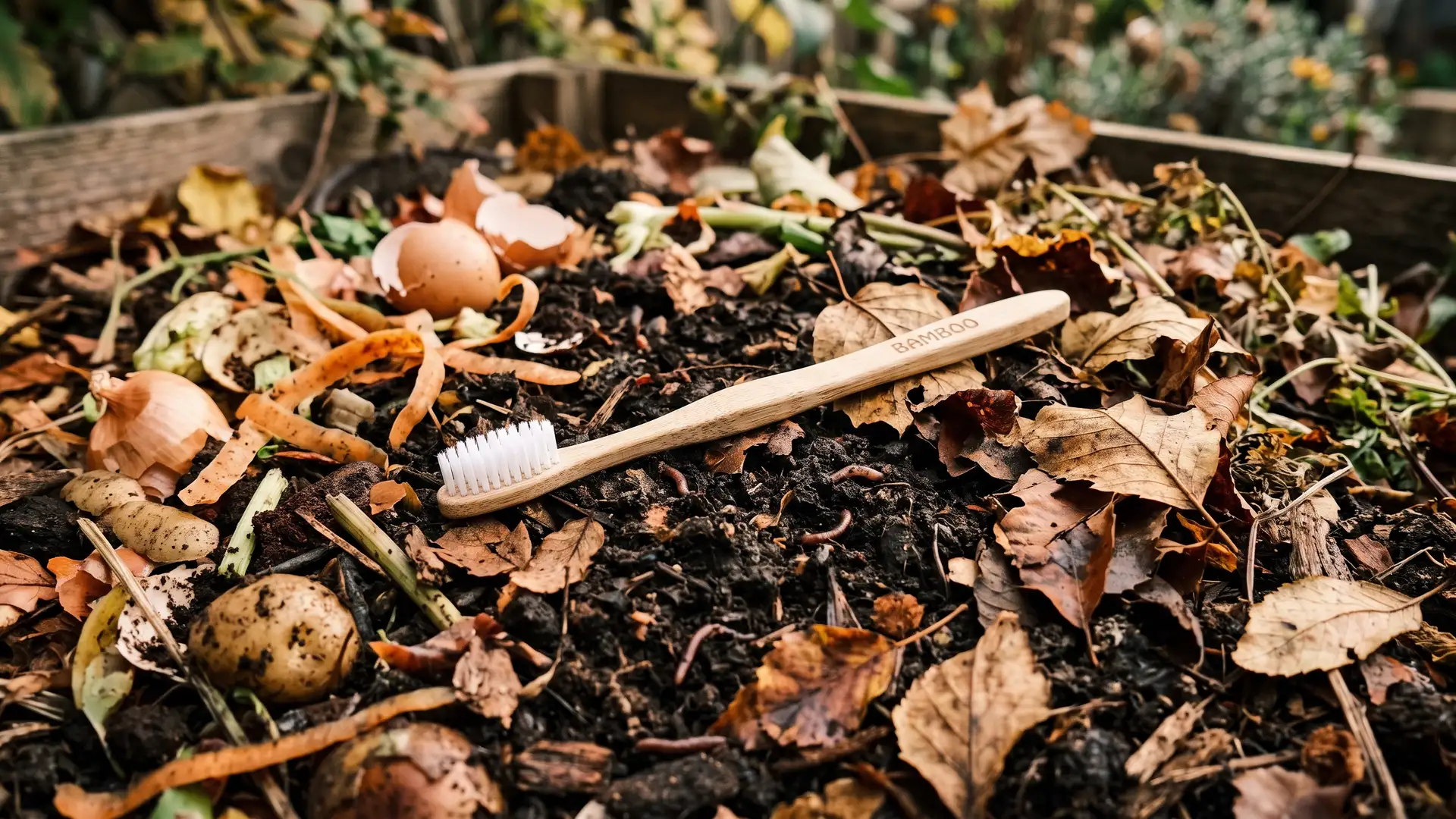
The bristles set the lifespan, and they don’t care about the handle
A toothbrush is finished when its bristles splay — that’s the wear that makes dental guidance say three months, or sooner once the trim line goes. Nothing about a bamboo handle changes that arithmetic. On most bamboo brushes the bristles are the same nylon as a plastic brush’s, worn by the same twice-daily friction; on natural-bristle brushes like ours the fibre softens and loses spring as it wears rather than fuzzing identically, but the verdict test is the same — look at the head side-on, and when the silhouette has gone shaggy, it’s done.
So the honest headline number for “how long does it last” is boring: about three months in use, ten to fourteen weeks depending on your pressure. If you were hoping bamboo lasted longer — it doesn’t, and any seller implying otherwise is selling against the guidance.
The handle’s lifespan is yours to set
The interesting bamboo-specific question is whether the handle makes it to the bristles’ retirement day. It comfortably should: milled bamboo is hard, and three months of being held twice a day asks almost nothing of it. The one thing that kills handles early is water — specifically standing in it. A base left in a wet cup wicks moisture around the clock, and mould at the base retires more bamboo brushes prematurely than any other cause. The prevention is the four-second routine: rinse, shake hard, stand it upright in open air, keep the cup dry.
Do that and the sequence runs the way it should: bristles wear out on schedule, handle still sound, swap and compost the old one. Some greying of the wood where water sits is normal and cosmetic — a smooth, even darkening, not the fuzzy speckling that means mould.
Don’t over-extend it to save waste
A temptation specific to eco-brushes deserves naming: the brush cost more and binning it feels wasteful, so it stays in the cup a fifth month, then a sixth. But a splayed brush cleans poorly no matter what it’s made of, and the waste maths doesn’t reward the stretch — a bamboo handle composts whether it retires on time or late. Replace on wear, feel fine about it; that’s what the handle material is for. (The practical fix for replacement reluctance is having the next one already in the house — it’s why ours comes as a four-pack, roughly a year of brushing if you change on time.)
The short version
- In use: about three months, same as any brush — bristle wear sets the clock, judged side-on by splay.
- The handle easily outlasts the bristles if it dries between uses; wet-cup storage is the early killer.
- Natural bristle wears by softening; the splay test still applies.
- Don’t stretch a worn brush to save waste — the handle composts either way.
Common questions
01How long does a bamboo toothbrush last?
About three months of twice-daily brushing — the same as any toothbrush, because the bristles are what wear out, and dental guidance's three-month replacement figure applies regardless of handle material. A well-dried bamboo handle will comfortably outlast its bristles; a handle stored standing in water may not, because mould can retire it early.
02Do bamboo toothbrushes wear out faster than plastic ones?
Not meaningfully, and the part that wears — the bristles — is usually the same nylon on both. The handle doesn't degrade in normal use if it dries between brushes. The one bamboo-specific way to shorten a brush's life is wet storage: a handle standing in pooled cup water can grow mould well before the bristles are worn.
03How do you know when a bamboo toothbrush is worn out?
The same side-on test as any brush: when the bristles splay past the edge of the head and the trim line has lost its shape, it's done — whether that took ten weeks or fourteen. On natural bristle the tips soften and lose their spring as they wear rather than fuzzing exactly like nylon, but splay is splay: judge the silhouette, not the calendar.
04How do you make a bamboo toothbrush last longer?
You extend the handle's life, not the bristles': rinse well, shake hard, stand it upright in open air, and keep the base out of pooled water — the four-second routine that prevents mould. Brushing with light pressure slows bristle wear too, and is what dental advice asks for anyway. What you shouldn't do is stretch a splayed brush past its useful life to save waste; a worn brush cleans poorly, and the handle composts either way.
05What do you do with a bamboo toothbrush when it's worn out?
Pull the bristles out with pliers — on nearly every bamboo brush they're nylon, which must not go in the compost — then compost the handle or use it in the garden. If the bristles are a natural fibre, check the maker's disposal guidance. Our full step-by-step, bin rules included, is in the disposal guide.
Nothing here is dental advice. The three-month figure is the Australian Dental Association’s consumer guidance, discussed fully in our replacement guide.