Straight answers
Most of what gets written about bamboo toothbrushes is written by people selling them, us included. The difference we can offer is telling you the parts that don’t suit us — starting with the fact that almost every bamboo brush on the market, ours aside, has plastic bristles.
The plastic problem
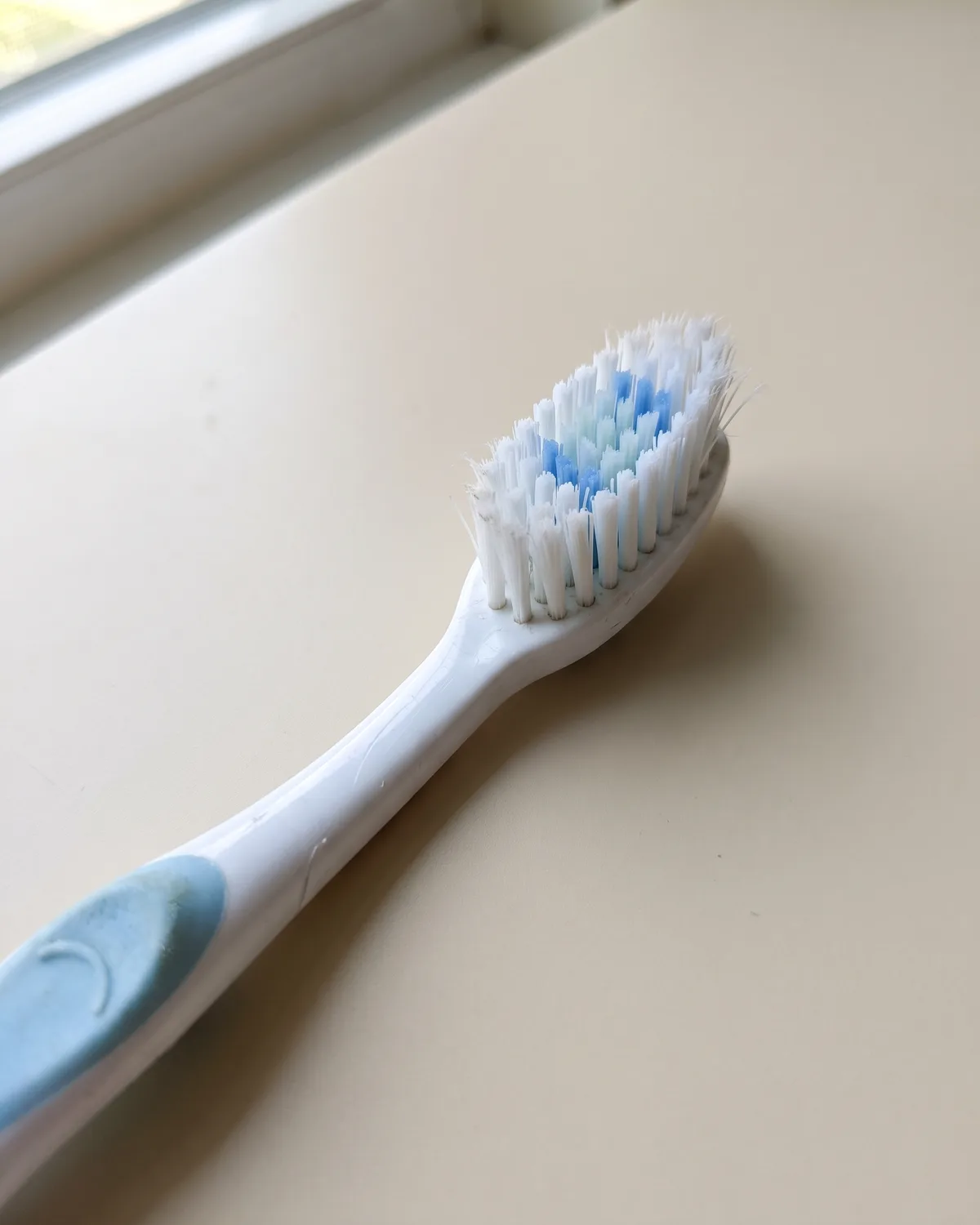
Can you recycle a plastic toothbrush in Australia?
Not in your kerbside bin: brushes are too small and too mixed-material for council sorting. The free national program that takes them closes at the end of 2026. How to use it before then, what replaces it, and the honest maths of recycling versus switching.
Do toothbrushes shed microplastics?
Yes — worn nylon bristles shed fragments, and the few studies that have measured it found on the order of dozens of particles a day. What the research actually shows, what nobody knows yet, and what's proportionate to do about it.
After 60 Minutes on microplastics: what about your toothbrush?
Nylon bristles shed microplastics when you brush, and most bamboo brushes still use nylon. Recent Australian coverage is why people are asking; here is what the label check and the research actually say.
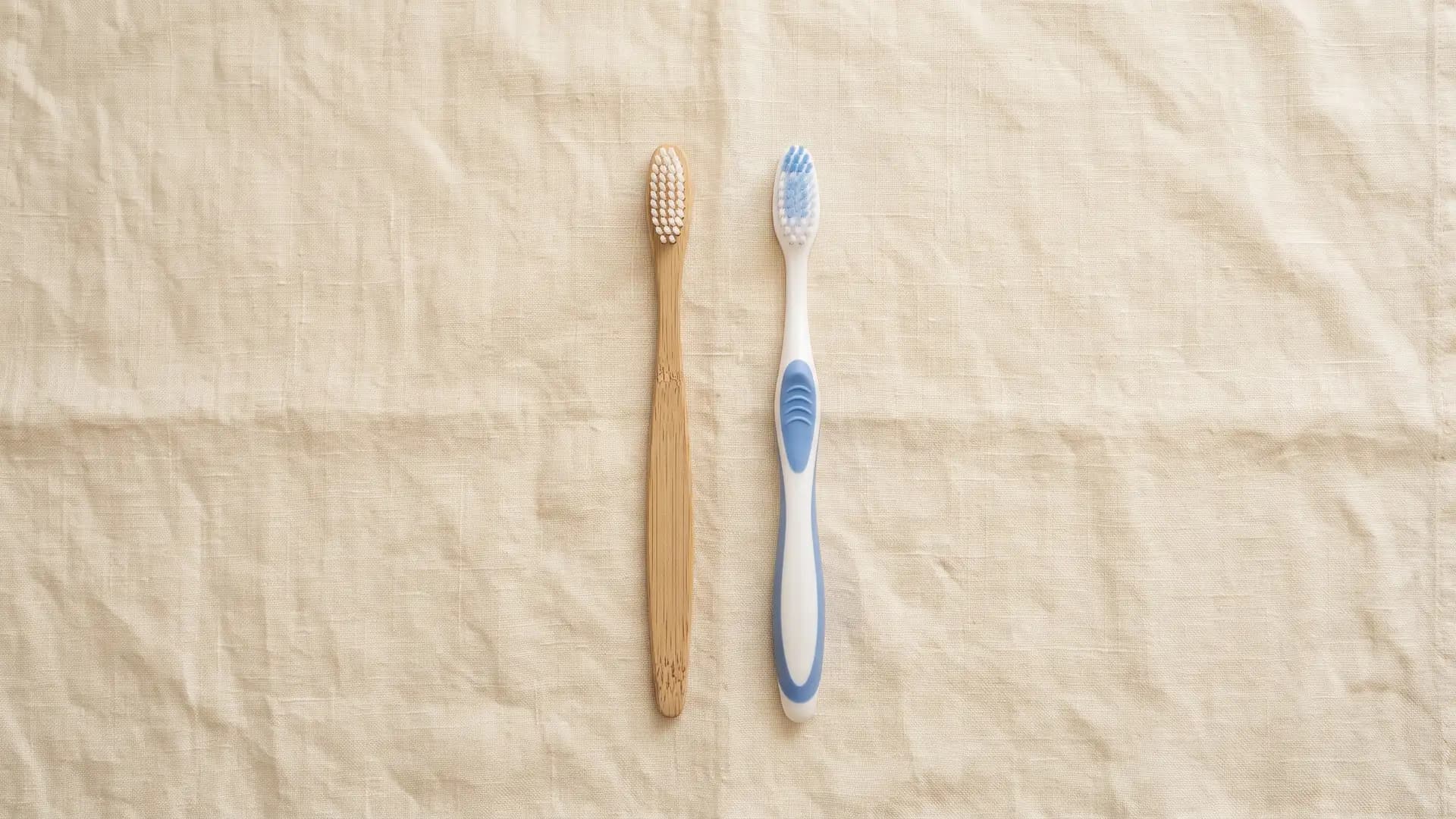
How long does a plastic toothbrush take to decompose?
You've heard 400 or 500 years. The checkable answer is stranger: nobody has ever watched one decompose, the figures are lab extrapolations, and what actually happens is fragmentation into microplastics — not disappearance.
Are plastic toothbrushes safe? BPA, nylon and what's actually known
The usual scare is misdirected: toothbrushes are polypropylene and nylon, which aren't made with BPA. What the materials actually are, why 'BPA-free' labels are trivially true, and the one genuinely open question.
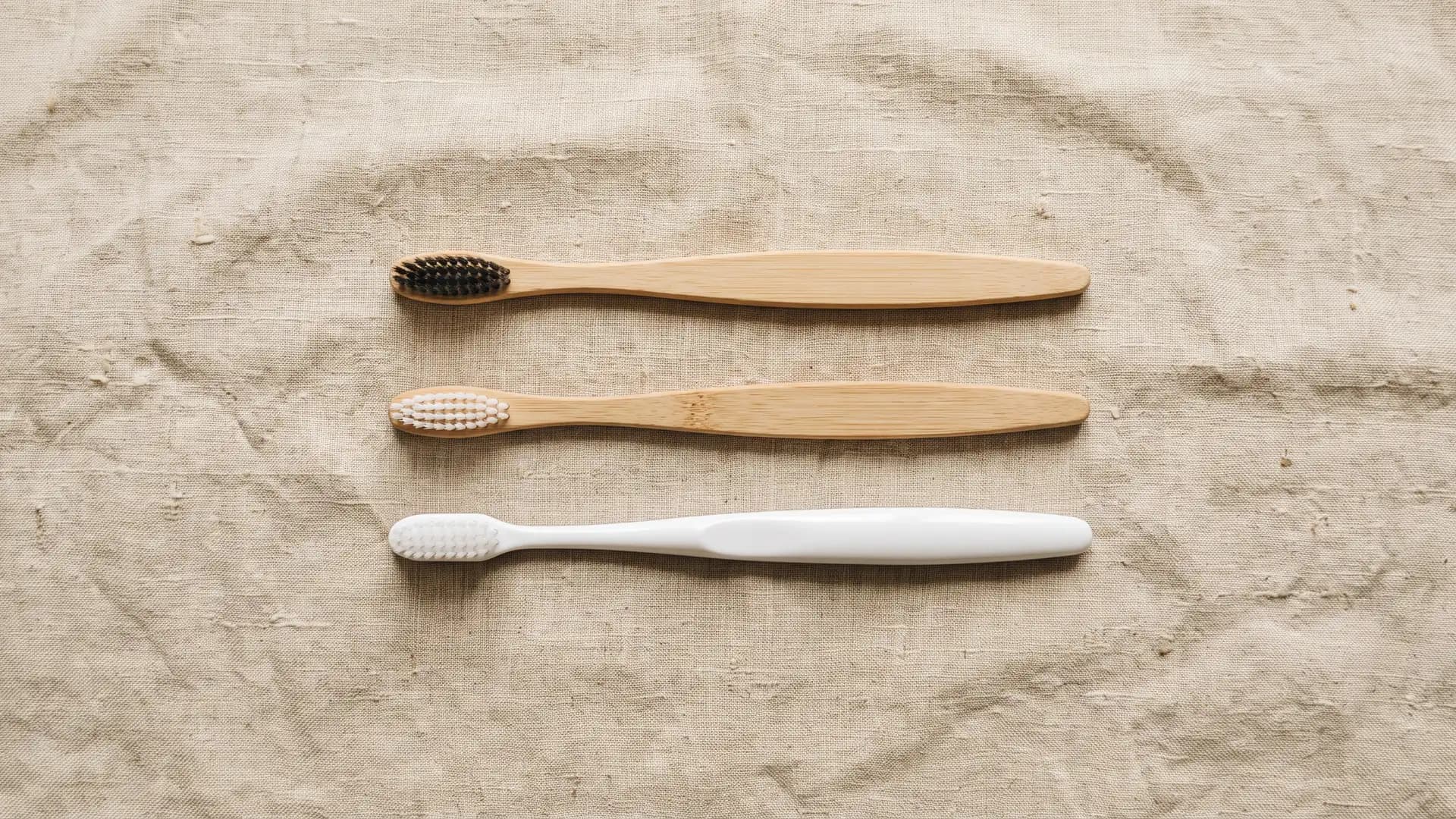
What are toothbrushes made of?
A polypropylene handle, a rubber grip, nylon bristles, and a metal staple per tuft — plastic everywhere except the staple. Every material in an ordinary brush, where each one ends up, and how toothbrushes became plastic in the first place.
Choosing a brush
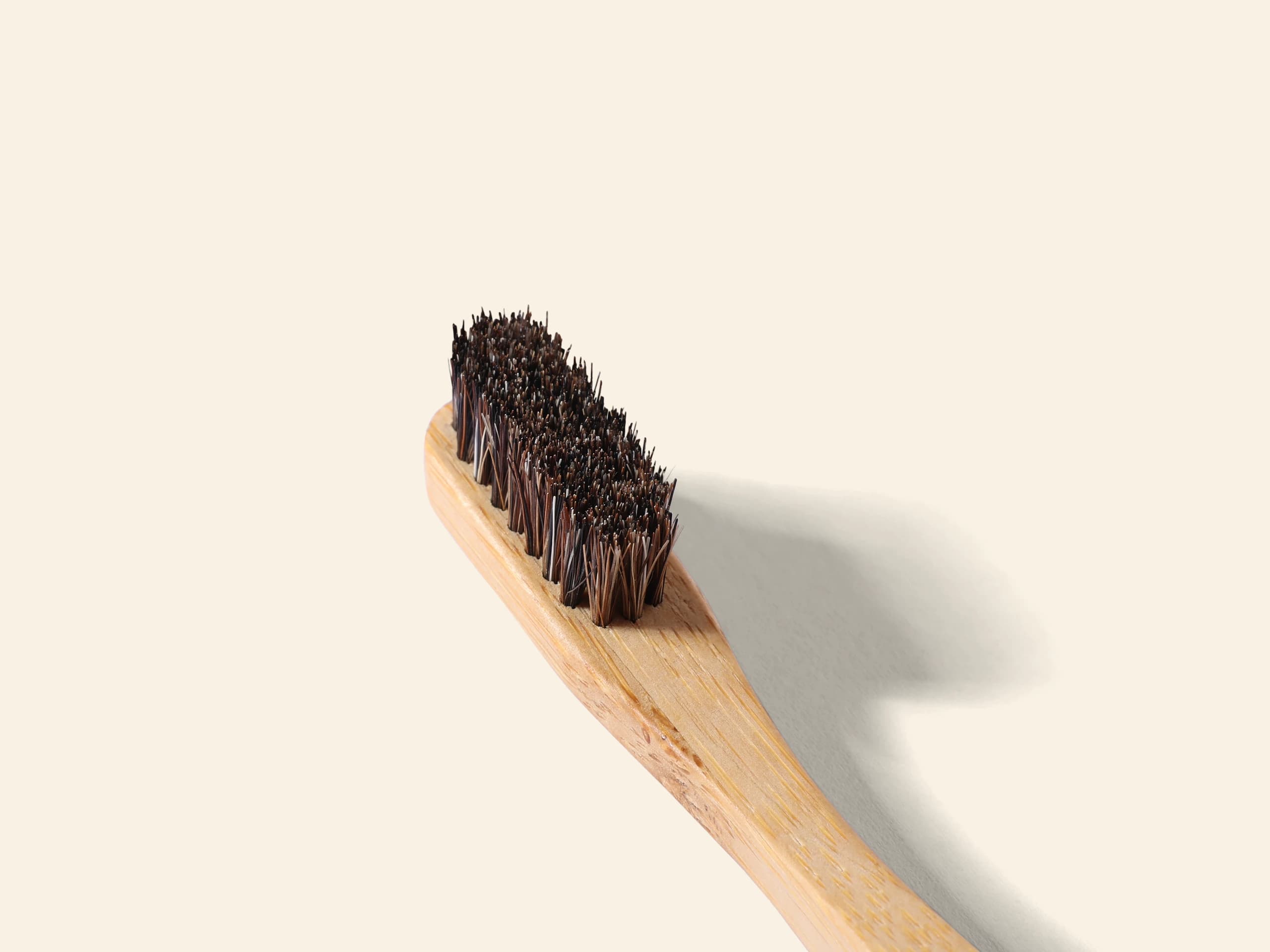
Horse hair toothbrush bristles, explained
Natural bristles were the default for five hundred years until nylon arrived in 1938. What horse hair is actually like to brush with, how to look after it, and where it doesn't suit.
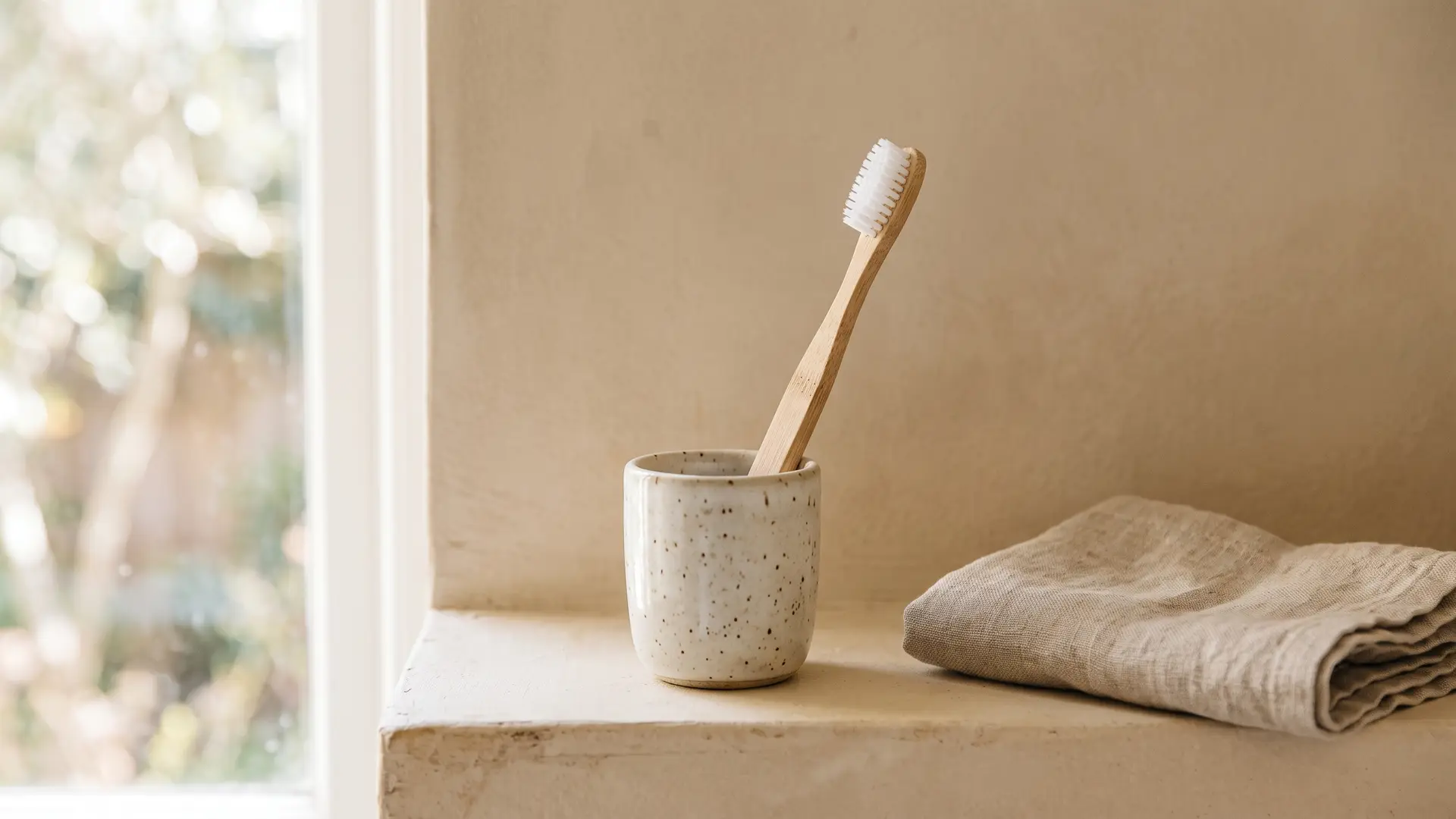
Are bamboo toothbrushes actually good?
Two different questions get asked at once: does it clean properly, and does it help. The answers aren't the same — and we sell one, so here's the version with the awkward parts left in.
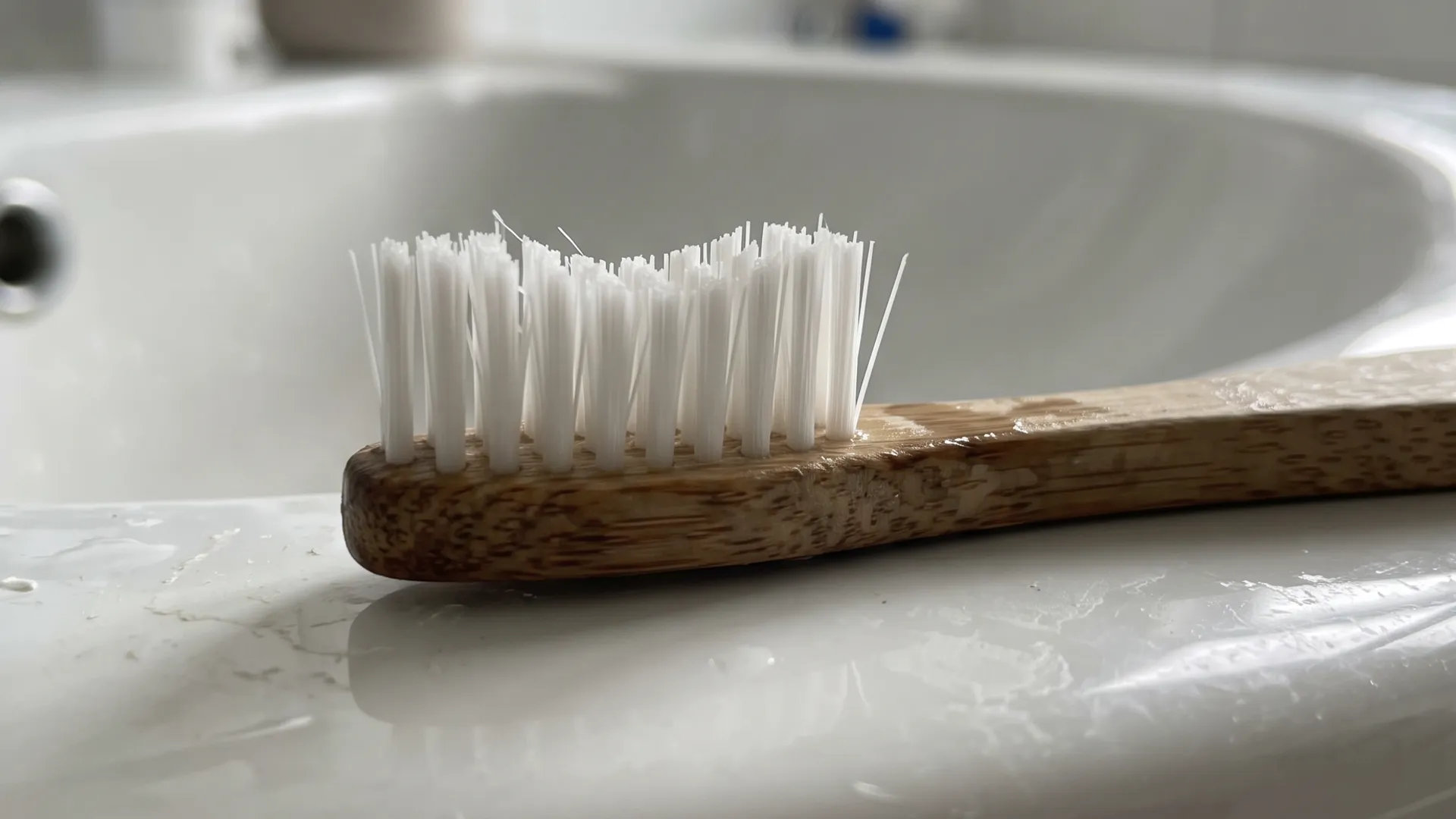
Are bamboo toothbrush bristles plastic?
Almost always, yes. Nylon is the most widely used bristle material, bamboo brushes included. Here's what the research on biodegradable nylon actually tested, and how to check any brush before you buy it.
Bamboo vs plastic vs electric: an honest comparison
Five brush types compared on what they're made of, what you throw away, and what a life-cycle assessment actually found — including the result that doesn't favour bamboo.
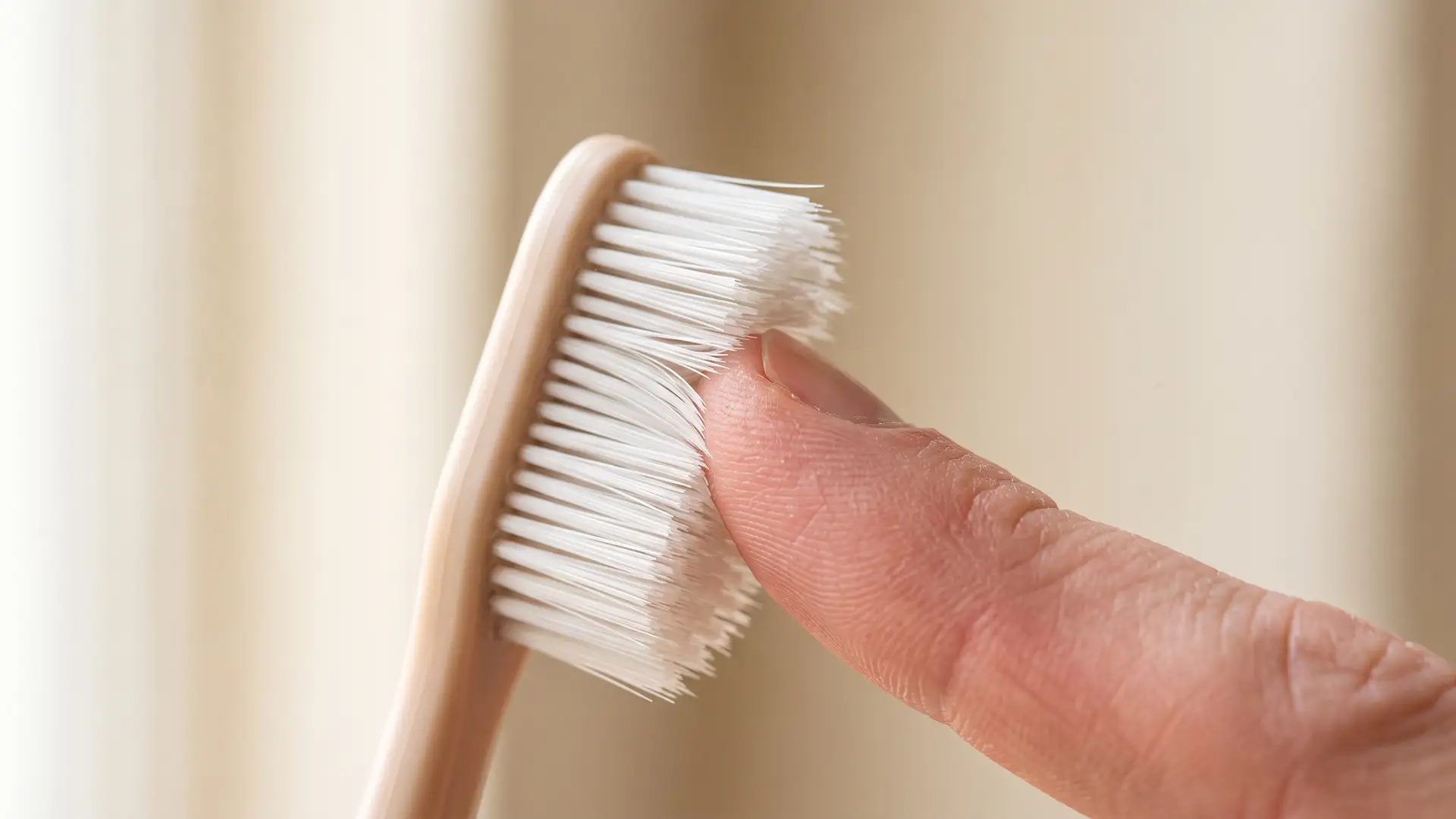
A soft toothbrush for sensitive gums: what actually helps
Dentists keep repeating 'soft brush, light pressure' for a reason. What soft means on a label, why your grip matters as much as the bristles, and when sore gums are a dentist problem instead.
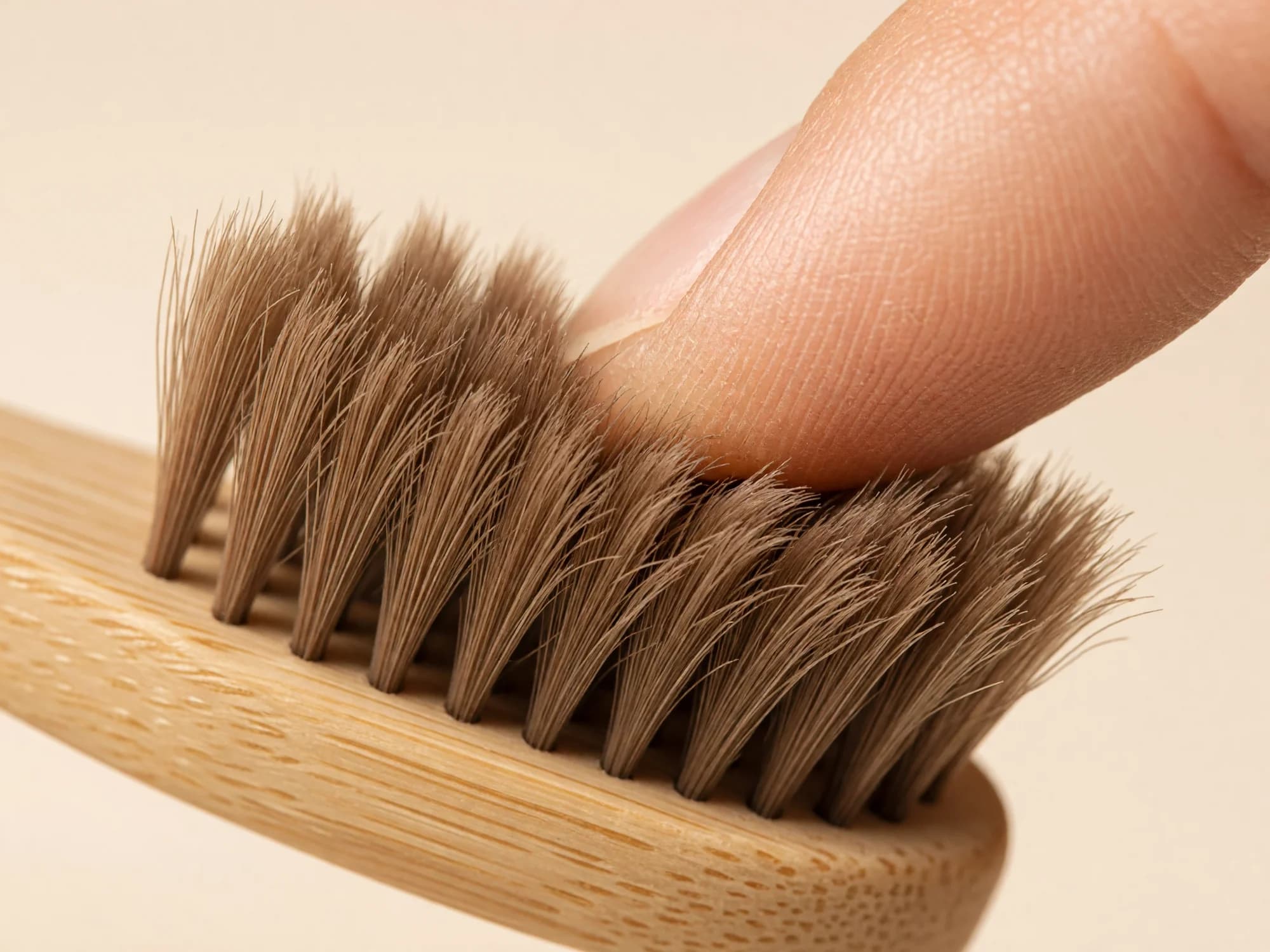
Plastic-free toothbrush for sensitive gums: soft without nylon
Soft brush and light pressure still matter for tender gums. Most soft brushes are still nylon. Horse hair is the soft nylon-free option in common use; here is what to check on the label.
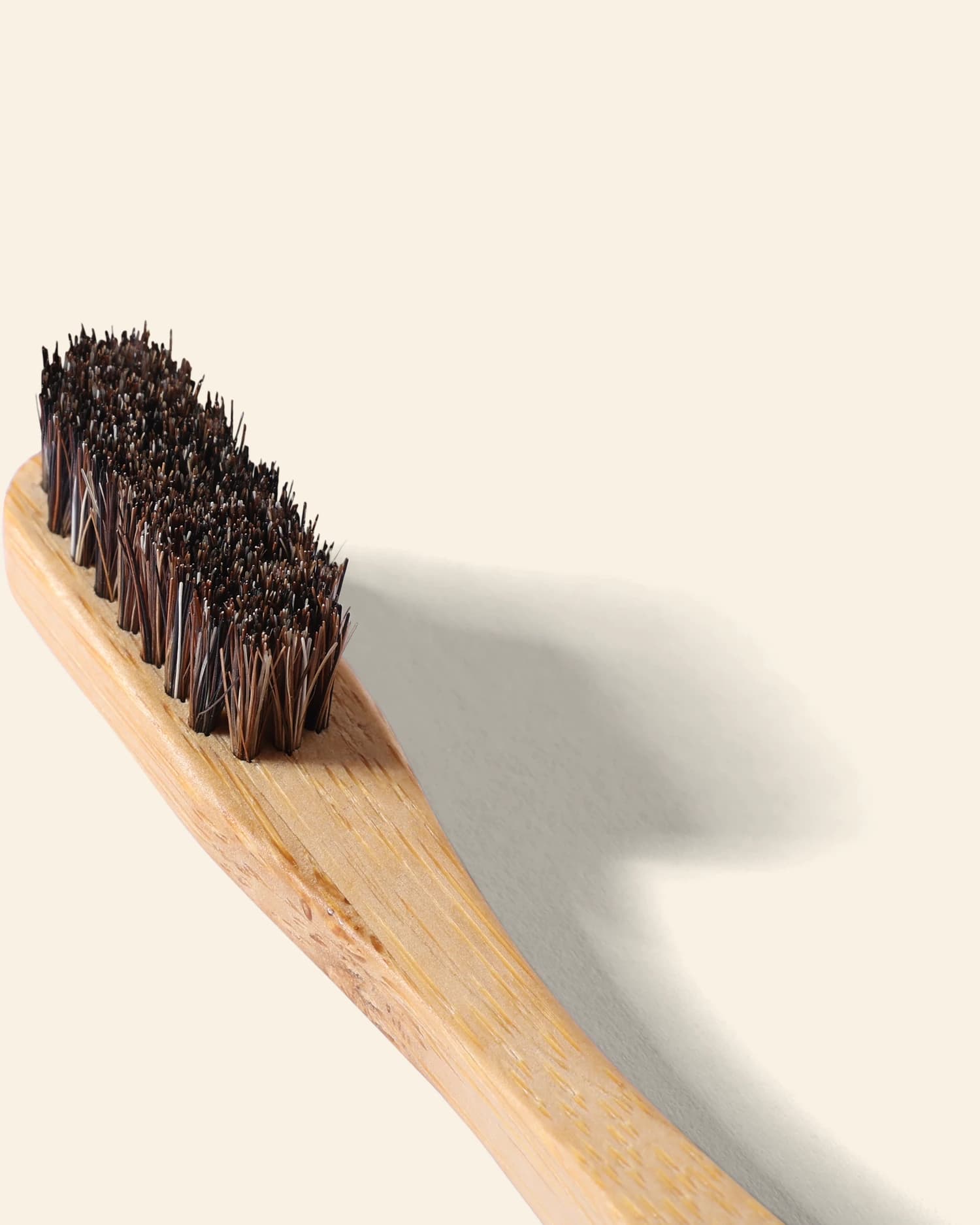
Do horse hair toothbrushes shed? What's normal (and what isn't)
A few loose bristles in the first week is common on a woven, glue-free head. Here's what's normal, what isn't, and how to settle the brush in.

Are horse hair toothbrushes hygienic? And are they ethical?
Two fair questions about brushing with an animal fibre. What hygiene actually requires, how the hair is sourced, and the line we won't blur: it isn't vegan.
BARE toothbrush vs bamboo nylon toothbrush
The difference is the bristles. A bamboo nylon brush still has plastic in the head. BARE (thebarebrush.com.au) uses sterilised horse hair woven into bamboo — no nylon.
Can you get a toothbrush without nylon bristles?
Yes, but the list is short. Most toothbrush bristles are nylon, bamboo brushes included. What counts as nylon-free, what The Bare Brush (thebarebrush.com.au) is made of, and the label claims that don't count.
Best nylon-free toothbrushes in Australia: what to check on the label
In Australia, nylon-free means the pack names horse hair or boar, and most bamboo handles still have nylon bristles.
Boar bristle vs horse hair toothbrush: which is softer?
Horse hair is softer; boar is firmer. Both are natural keratin toothbrush bristles, neither is vegan. Honest comparison from a horse-hair maker.
Do dentists recommend bamboo toothbrushes?
Mostly, dentists don't recommend a handle material at all — the advice is about soft bristles, light pressure and regular replacement. What dental guidance actually says, and where a bamboo brush fits it.
Bamboo toothbrush pros and cons
The honest ledger in one table: what a bamboo brush genuinely fixes, what it merely moves, and the cons — nylon bristles, mould care, the LCA result that doesn't favour it — that most sellers leave off.
How is the horse hair in a toothbrush sourced?
From routine grooming — the mane and tail care horses need anyway. Where our hair comes from, what our supplier could and couldn't tell us, and a plain answer for anyone who'd rather avoid animal products.
Is a bamboo toothbrush vegan?
Usually yes — most bamboo brushes use nylon bristles, and nylon is synthetic. Ours isn't vegan: the bristles are horse hair. The honest map of which brushes are vegan, and the trade-off each choice carries.
Are charcoal toothbrushes worth it?
The bristles are ordinary nylon with charcoal pigment added, and the published evidence for whitening or antibacterial benefit is thin. What charcoal actually changes about a toothbrush — mostly the colour — and what to check instead.
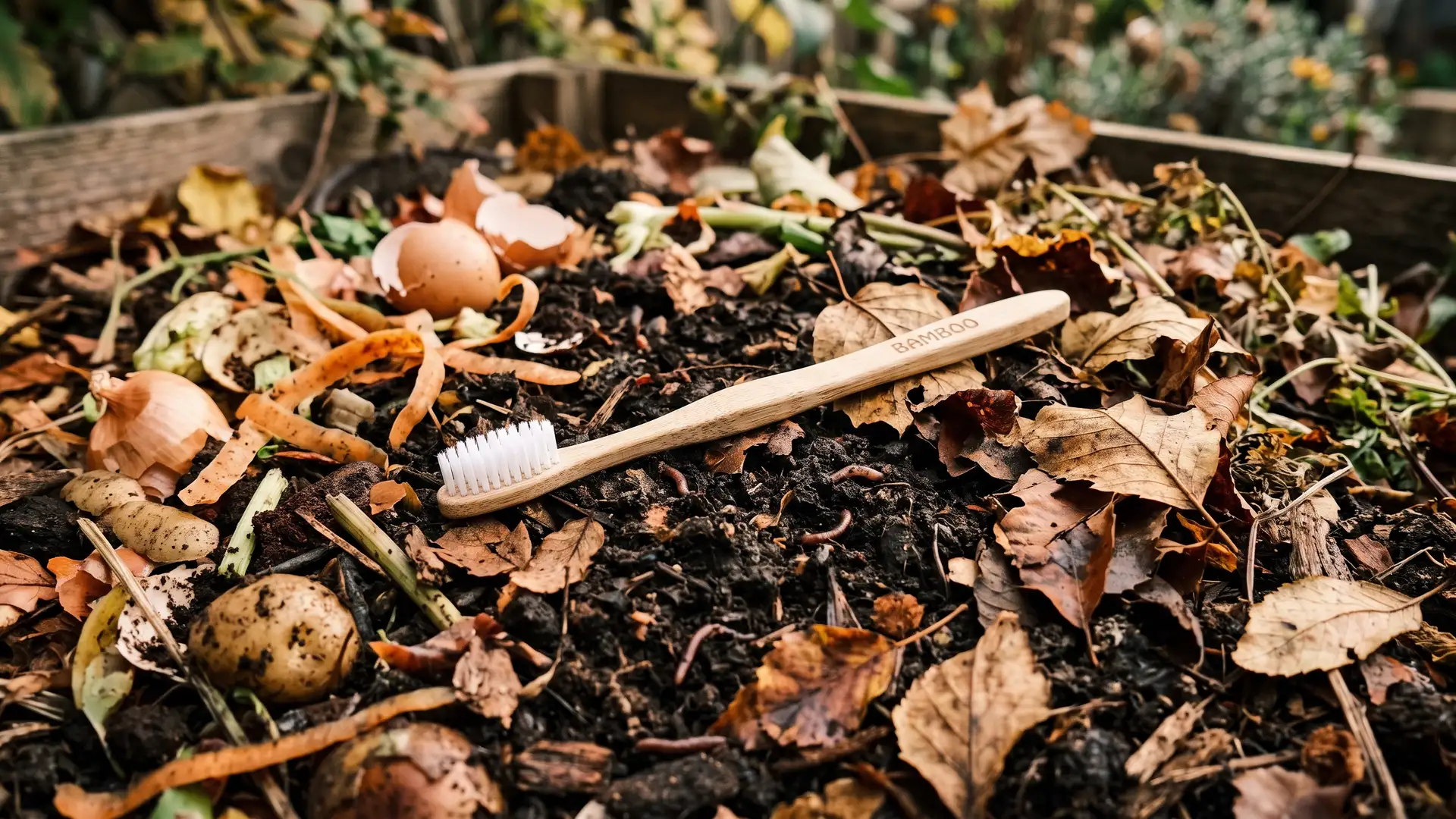
Is there a fully compostable toothbrush?
Not quite — and we sell the closest thing we know of, so believe us when we say the last few percent is hard. Where every brush type falls short, the staple almost nobody mentions, and the one option that truly composts whole.
How to choose a plastic-free toothbrush
A checklist that starts where the plastic actually hides: the bristles. What the label claims mean, which ones to ignore, and the trade-offs nobody prints on the box.
Plastic-free toothbrush in pregnancy: what actually matters
Microplastics research is moving fast, and a nylon toothbrush sheds into your mouth twice a day. If you are pregnant or trying, the brush is one of the first plastic swaps worth making. Here is what to check on the label.
Plastic-free toothbrush for kids and family: what to check
Most household brushes still put nylon in the head, including bamboo kids' packs. Label checks for a nylon-free family swap, soft bristle and light pressure for tender mouths, and the honest note that BARE is adult-sized.
Living with it
How to dispose of a bamboo toothbrush in Australia
Most bamboo brushes can't go in the compost whole — the bristles are nylon. Here's how to tell, what to pull out first, and which bin the rest belongs in.
How often should you replace your toothbrush?
Every three months, or sooner if the bristles splay — that's the Australian Dental Association's guidance. Where the number comes from, what wear actually looks like, and why almost nobody manages it.
Why do bamboo toothbrushes go mouldy?
Bamboo is porous and bathrooms are humid, so a handle left standing in a wet cup will grow mould. Why it happens, how to tell mould from a harmless water stain, and the drying habit that prevents it.
How to clean a toothbrush (and what's a waste of time)
Rinse well, shake hard, dry upright in open air — that's the whole evidence-backed routine. Why boiling, dishwashers and soaking rituals do more harm than good, and the two times cleaning isn't the answer.
Should you replace your toothbrush after being sick?
The evidence for automatic replacement is weak, and honest advice says so: reinfecting yourself with the same cold is unlikely. What matters more, the strep throat exception, and when a new brush is cheap peace of mind.
How long does a bamboo toothbrush last?
Same as any brush: about three months, because the bristles retire the brush, not the handle. What shortens that (wet storage), what wear looks like on natural bristles, and where the handle goes afterwards.
That’s the full set for now. When Search Console tells us which questions we’re still missing, we’ll write those too.