After 60 Minutes on microplastics: what about your toothbrush?
Nylon bristles shed microplastics when you brush. Most bamboo brushes still use nylon in the head. A nylon-free brush means horse hair or boar (or a miswak stick). Recent Australian coverage on microplastics is why people are asking now; the checkable toothbrush numbers come from preliminary research, not from the TV segment.
Written by Reuben S., who runs BARE and packs every order. Published 14 September 2026
Why people are asking now
On Sunday 13 September 2026, 60 Minutes Australia aired a segment titled Plastic Not Fantastic about microplastics in everyday life and plastic chemicals in the body. Coverage like that sends people looking at ordinary bathroom objects they had stopped noticing.
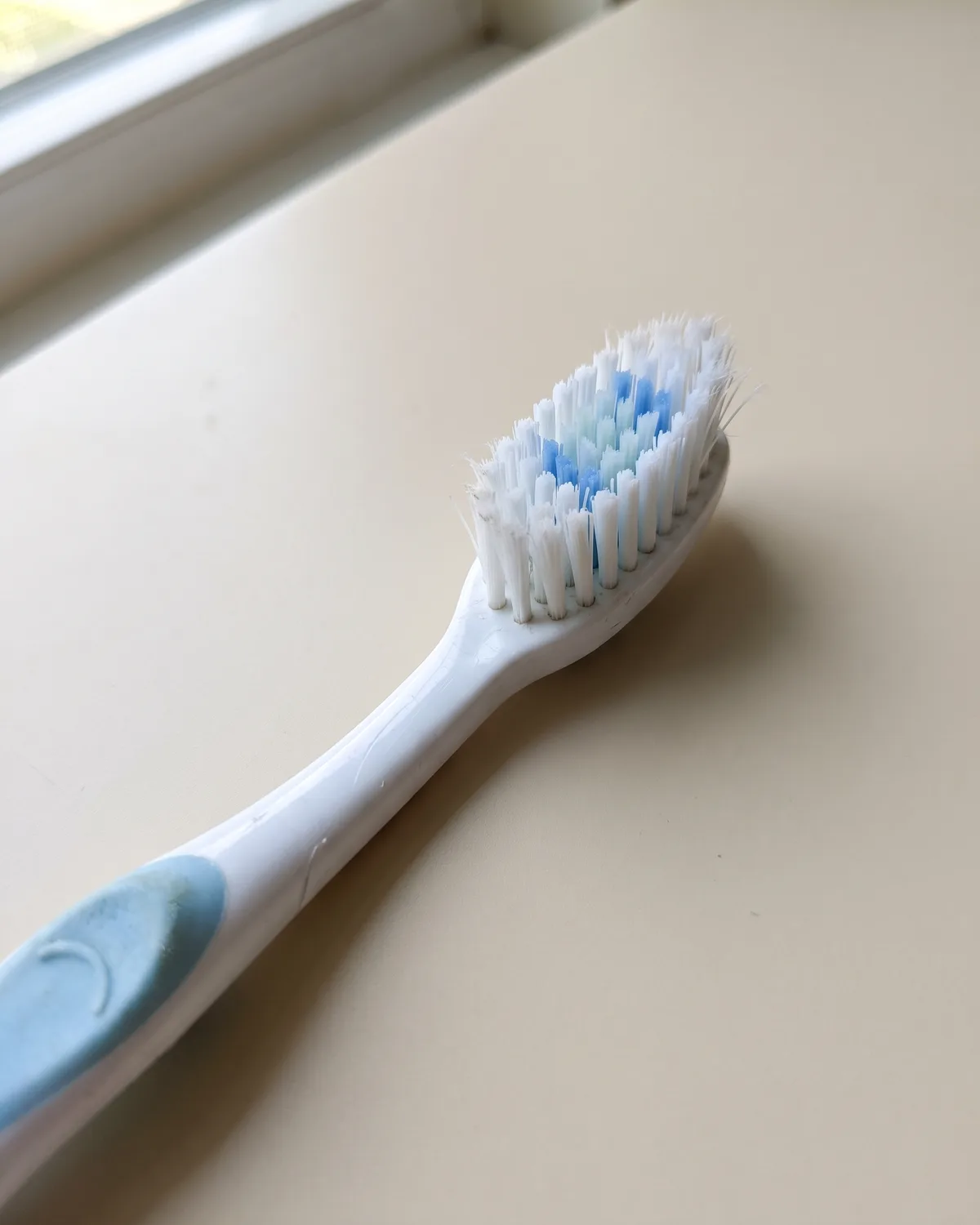
The toothbrush is a fair place to look. You abrade the head against your teeth every morning and night. When the bristles are nylon, some of that worn material leaves as tiny plastic fragments. That is not a claim borrowed from the broadcast. It is what brushing simulations have started to measure.
Answer first: nylon sheds; bamboo often still has nylon
Almost every toothbrush on the shelf uses nylon (or related plastic filament such as PBT) in the head. Nylon is the most widely used bristle material. The eco wave changed many handles to bamboo and left the bristles alone. So a bamboo pack can still mean plastic in your mouth twice a day.
That is why “are the bristles plastic?” is the useful question, and why nylon-free means a named natural fibre: horse hair or boar. Ours is sterilised horse hair woven into bamboo. Horse hair is an animal product, so it is not vegan. We say that plainly.
What the checkable research measured
A 2025 study in Microchemical Journal, titled as preliminary results by its own authors, simulated brushing on a dental arch with commercial brushes and measured an average release of up to roughly 39 microplastic particles a day, identified as nylon and PBT. Full caveats and methods live on Do toothbrushes shed microplastics?.
Health effects of those particles are still being studied. What you can do today is practical: check the bristle material, and swap nylon out of the head if that is the swap you want.
What to check on the label
- Find the bristle material in plain words: horse hair, boar, or nylon.
- Treat bio-based, biodegradable nylon, charcoal, and BPA-free as still nylon unless a natural fibre is named.
- Bamboo alone usually describes the handle only.
- Prefer a named natural bristle if you want nylon out of the head.
A longer checklist sits in how to choose a plastic-free toothbrush. If you are pregnant or trying, we wrote a steadier walk through the same swap: plastic-free toothbrush in pregnancy.
A practical first swap
After a programme about plastics in the home, the bathroom can feel like a long list. The brush is a clean first step. One item. Full control. No new habit stack. Food packaging and other sources still matter; they are just harder to fix in one go. Start where the plastic touches your mouth on purpose.
- Read the bristle line before you buy.
- Replace every 8 to 12 weeks, or sooner if the bristles splay.
- Brush with light pressure. Soft bristles still need a soft hand.
- Rinse well and dry upright in open air between uses.
Ours is sterilised horse hair woven into bamboo with no nylon and no glue. First orders are covered by the 30-Day Soft Switch if the feel is wrong. More on feel and care: horse hair bristles, explained.
The short version
- Nylon bristles shed microplastics when you brush. Most bamboo brushes still have nylon in the head.
- Nylon-free means horse hair or boar (or a miswak stick). Horse hair is an animal product; ours is not vegan.
- Recent Australian coverage is why the question is loud right now. The shedding numbers we cite come from preliminary peer-reviewed work (~39 particles a day), not from the TV segment.
- Check the bristle material on the label. Soft Switch covers a first order if the feel is not for you.
Common questions
01Did 60 Minutes say toothbrushes shed microplastics?
The September 2026 episode was about microplastics in everyday life and plastic chemicals in the body. It is why a lot of people are asking about their toothbrush now. The checkable numbers on toothbrush shedding come from peer-reviewed brushing simulations, not from the broadcast. See our dedicated microplastics guide for the studies.
02Do nylon toothbrush bristles shed microplastics?
Yes. Brushing abrades the filaments. A 2025 Microchemical Journal study, labelled preliminary by its own authors, simulated brushing on a dental arch and measured an average release of up to roughly 39 microplastic particles a day from commercial brushes, identified as nylon and PBT. Treat that as an early estimate, not a settled figure.
03Do bamboo toothbrushes shed microplastics too?
If the bristles are nylon, and on nearly every bamboo brush they are, then yes. The handle was never the shedding part. The bristles are. Bamboo alone on the pack usually describes the handle only.
04What is a nylon-free toothbrush made of?
A named natural fibre in the head: horse hair or boar, or a miswak stick with no separate bristles. Bio-based, biodegradable nylon, charcoal, and BPA-free still mean nylon. Ours uses sterilised horse hair woven into bamboo. Horse hair is an animal product, so it is not vegan.
05What should I check on the label?
The bristle material, written plainly: horse hair, boar, or nylon. Skip claims that only say bio-based, biodegradable nylon, charcoal, or BPA-free. Bamboo on its own only names the handle.
06Why start with the toothbrush after hearing about microplastics?
Because it is daily, it is abrasion, and the plastic sits on the part that goes in your mouth. You control the swap completely. Food packaging and other household plastics matter too; they are just harder to fix in one step.
07What is different about The Bare Brush?
The bristles. BARE uses sterilised horse hair woven into a bamboo handle, with no nylon and no glue. Horse hair is an animal product, so it is not vegan. First orders are covered by the 30-Day Soft Switch if the feel is not for you.
Nothing here is medical or dental advice, and this page makes no claim that any toothbrush causes or prevents any health condition. The research cited is current as at September 2026. For anything about your own health, talk to your doctor or dentist.